Introduction
Tiger snakes (Notechis scutatus) are among one of the most remarkable yet been afraid reptiles found in Australia. With their striking appearance and powerful poison, these serpents evoke a mix of wonder and care. Observing tiger snakes in their natural surroundings can be an exhilarating experience for nature lovers, wild animals professional photographers, and scientists alike. However, it's crucial to approach this undertaking with respect for the animal's habitat and an understanding of precaution to avoid serpent bites.
In this thorough overview, we'll check out exactly how to safely observe tiger serpents in their natural environment. We will certainly cover topics ranging from comprehending their habits and environments to juvenile brown snake emergency treatment for serpent bites-- furnishing you with understanding to improve your experience while reducing threats.
What is a Tiger Snake?
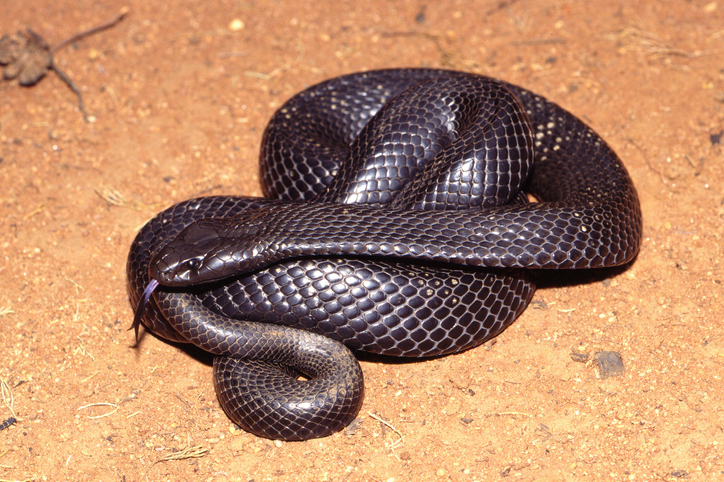
Tiger snakes are extremely venomous serpents native to Australia, specifically Tasmania and coastal areas. They are known for their distinctive banded pigmentation looking like a tiger's stripes, which can range from yellowish-brown to dark brown or even black.
Physical Characteristics
Tiger serpents are tool to large-sized snakes that can mature to 2 meters long. Their bodies are durable, and they have a wide head that is distinctly broader than their necks.
Habitat Preferences of Tiger Snakes
These reptiles commonly populate wetlands, tidewaters, and coastal regions but can also be discovered near freshwater resources like rivers and lakes. Understanding where these snakes live is vital for any person aiming to observe them safely.
Understanding Tiger Snake Behavior
Are Tiger Snakes Venomous?
Yes, tiger snakes are amongst the most venomous snake species around the world. Australian Tree Snakes Their venom has neurotoxins that can result in serious medical issues if bitten.
Behavioral Traits
Tiger serpents are usually reluctant creatures; they favor to avoid human communication. However, they can become hostile if intimidated or collared.
Where Can You Locate Tiger Snakes?
Tiger Snake Habitat Exploration
To safely observe tiger serpents in their all-natural habitat, it's necessary initially to recognize where they grow. They tend to prefer:
- Coastal marshlands Mangroves Swamps Riverbanks
Best Locations for Observation
Some recommended locations consist of:
- Tasmanian wetlands The coastlines of southerly Australia National parks with water bodies
Safety Preventative measures Before Observing Tiger Snakes
Understanding the Risks of a Tiger Serpent Bite
Although encounters with tiger serpents can be awesome, understanding the threats included is extremely important:
Recognize signs of a serpent bite: swelling at the website, pain emitting from the bite area. Know emergency situation get in touches with: Acquaint yourself with regional emergency services. Carry a first-aid set specifically equipped for serpent bites.First Aid for Serpent Bites: What You Need to Know
Knowing what actions to take if bitten could save your life or another person's:
- Stay tranquility; motion boosts venom spread. Call for clinical aid immediately. Do not use ice or attempt suctioning.
How to Safely Observe Tiger Snakes in Their All-natural Habitat
When you choose to observe tiger serpents in the wild:
Dress Appropriately: Wear lengthy trousers and sturdy boots. Use Binoculars: Keep a risk-free distance while observing these reptiles. Avoid Unexpected Movements: Quick motions might startle them. Stay on Established Trails: Prevent straying into dense underbrush where exposure is low.Equipment Needed for Observation
Essential Equipment Checklist
- Binoculars First-aid set especially created for snake bites Field manual on Australian reptiles Camera (with zoom ability)
Snake Bite First Aid Package Essentials
A well-appointed emergency treatment set ought to include:|Item|Function|| -------------------------------|-------------------------------|| Compression bandage|To paralyze the afflicted area|| Antihistamines|For allergic reactions|| Emergency contact numbers|Quick accessibility during emergency situations|
Interpreting Tiger Serpent Signals
ImmobilizationUnderstanding exactly how tiger snakes interact via body movement assists viewers assess when it's risk-free or dangerous:
Common Behaviors
Defensive stance: If coiled or raised off the ground. Retreating habits: When they slowly retreat from possible threats.Dealing With Potential Encounters
Even with precautions taken, an encounter may still happen during your monitoring journey:
Frequently Asked Questions About Tiger Snakes
1. What should I do if I see a tiger snake?
Remain calmness; observe from a distance without troubling it.
2. Are child tiger snakes dangerous?
Yes, adolescent tiger snakes are born poisonous and might pose dangers similar to adults in spite of being smaller.
3. Exactly how usual are tiger snake bites?
While events take place each year in Australia, fatalities are rare due to prompt treatment availability.
4. Can I keep a tiger serpent as a pet?
Keeping wild tiger snakes as pets is illegal in lots of regions due to conservation laws.
5. What does a tiger snake attack look like?
Bite marks commonly show 2 puncture wounds along with localized swelling and discoloration.
6. How reliable is antivenom?
Antivenom therapy is highly efficient when administered prompt after a bite.
Conclusion
Observing tiger snakes in their natural habitat offers an electrifying possibility for wildlife enthusiasts yet have to be approached with care and respect for both the animal and its atmosphere. By equipping on your own with understanding concerning these remarkable reptiles-- consisting of recognizing their habits and precaution-- you can delight in remarkable experiences while significantly decreasing dangers related to encounters.
In summary, constantly focus on security by preparing appropriately before embarking on any type of wild animals monitoring exploration-- especially when handling a few of nature's most venomous animals like the tiger snake!